
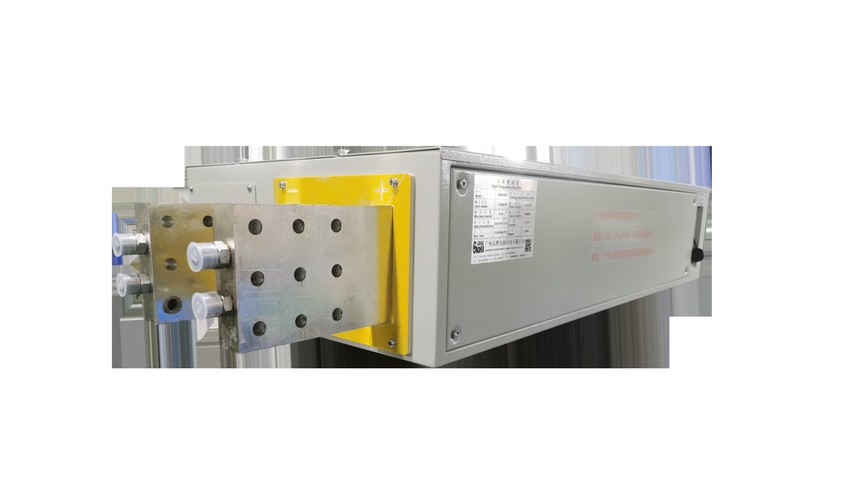
In critical industrial applications ranging from water treatment and wastewater management to food processing and aquaculture, the on-site generation of sodium hypochlorite (NaOCl) has become the gold standard for safe, efficient, and cost-effective disinfection. At the very core of this electrolytic process lies a crucial, yet often underestimated, component: the Sodium Hypochlorite Generator Power Supply. This robust rectifier unit converts AC power into the precise DC current and voltage required to electrolyze brine (saltwater), producing NaOCl solution.\n\nChoosing the right power supply is paramount, directly impacting system efficiency, reliability, and ultimately, your operational expenditure. As industries continue to evolve, driven by advancements and a relentless pursuit of sustainability, a strategic approach to procurement is essential. This buyer’s guide delves into the key considerations for selecting an optimal NaOCl generator power supply, highlighting the tangible return on investment (ROI), and aligning your choices with the industrial trends projected for 2026.\n\nThe Unseen Engine: Understanding Your Power Supply’s Core Function\n\nThe power supply acts as the brain and brawn of the NaOCl generator. It precisely controls the electrical parameters fed to the electrolytic cells, dictating the production rate and concentration of the hypochlorite solution. A poorly matched or inefficient power supply can lead to inconsistent output, premature cell degradation, and exorbitant energy costs. For large-scale industrial operations, a robust unit like a 2000A 24V Air Cooled power supply exemplifies the capabilities needed. The high amperage (2000A) allows for substantial NaOCl production, catering to significant disinfection demands, while the 24V ensures optimal voltage for the electrolytic cells, maximizing efficiency and cell longevity. The ‘air-cooled’ aspect signifies a practical design choice, often preferred for its reduced maintenance needs compared to liquid-cooled systems, eliminating the complexities of water quality and potential leaks, making it suitable for a wide range of industrial environments.\n\nA Prudent Procurement: Your Buyer’s Guide to Selection\n\nWhen evaluating a Sodium Hypochlorite Generator Power Supply, several critical factors must be scrutinized to ensure a future-proof investment:\n\n1. Capacity and Output Matching: Ensure the power supply’s amperage and voltage align perfectly with the NaOCl generator’s design specifications and your required production capacity. An oversized unit might waste energy, while an undersized one will lead to inefficient production and equipment strain. For example, a 2000A power supply is ideal for large-scale operations requiring continuous, high-volume NaOCl generation.\n2. Efficiency and Power Factor: Look for units with high energy efficiency (e.g., >90%) and a high power factor (e.g., >0.95). These directly translate to lower electricity bills and reduced reactive power charges, significantly impacting operational ROI. Advanced switch-mode power supplies typically offer superior performance in these areas.\n3. Reliability and Durability: Industrial environments demand robust equipment. Prioritize power supplies built with high-quality, industrial-grade components designed for continuous duty cycles in challenging conditions. Features like overcurrent, overvoltage, short circuit, and over-temperature protection are essential for safeguarding your investment.\n4. Cooling Method: While water-cooled units can be more compact, an air-cooled system, like our 2000A 24V example, offers simpler installation, lower maintenance requirements, and eliminates the need for a separate cooling water supply and its associated infrastructure, making it a pragmatic choice for many facilities.\n5. Control and Monitoring: Modern power supplies should offer advanced control options, including PLC compatibility for seamless integration into existing SCADA or DCS systems. Remote monitoring capabilities, data logging, and diagnostic features are invaluable for proactive maintenance and operational optimization.\n6. Serviceability and Support: Evaluate the manufacturer’s reputation, warranty, and post-sales support. Availability of spare parts and technical assistance is crucial for minimizing downtime.\n\nUnlocking Value: The Return on Investment (ROI)\n\nA judiciously selected Sodium Hypochlorite Generator Power Supply delivers compelling ROI through multiple avenues:\n\n* Reduced Energy Costs: High-efficiency power supplies, like those achieving >90% conversion rates, dramatically cut electricity consumption, directly impacting your bottom line.\n* Extended Equipment Lifespan: Stable, precise power delivery protects the expensive electrolytic cells from premature wear, extending their operational life and reducing replacement frequency.\n* Consistent Production & Quality: Reliable power ensures a steady, consistent supply of NaOCl, improving disinfection effectiveness and process control, thereby reducing product loss or regulatory non-compliance risks.\n* Lower Maintenance & Downtime: Robust construction and intelligent diagnostics minimize unexpected failures and simplify troubleshooting, leading to fewer costly interruptions.\n* Enhanced Safety: On-site generation eliminates the hazards and costs associated with transporting and storing bulk hazardous chemicals, while a reliable power supply contributes to overall system stability and safety.\n\nNavigating Tomorrow: 2026 Industrial Trends\n\nLooking ahead to 2026, the industrial landscape for NaOCl generation will be shaped by several key trends:\n\n* Industry 4.0 and Smart Integration: Expect greater integration of power supplies with plant-wide IoT ecosystems. Predictive maintenance, AI-driven optimization of power delivery based on real-time demand, and cloud-based monitoring will become standard. Your power supply should ideally support Modbus TCP/IP, Ethernet/IP, or similar protocols.\n* Sustainability and Energy Harvesting: The drive for greener operations will push for even higher efficiencies and compatibility with renewable energy sources. Future power supplies may incorporate energy storage solutions or advanced grid synchronization features.\n* Modularity and Scalability: Systems designed with modular power supply units will offer greater flexibility for scaling production up or down, facilitating easier maintenance and redundancy planning.\n* Enhanced Diagnostics and Cybersecurity: Advanced self-diagnostic capabilities, remote troubleshooting, and robust cybersecurity features will be crucial to protect critical infrastructure from digital threats and minimize human intervention.\n* Miniaturization and Footprint Reduction: As industrial real estate becomes more valuable, there will be a continued push for more compact, yet equally powerful, solutions.\n\nConclusion\n\nInvesting in a Sodium Hypochlorite Generator Power Supply is more than just purchasing a component; it’s a strategic decision that underpins the reliability, efficiency, and sustainability of your disinfection processes. By focusing on a detailed buyer’s guide that prioritizes capacity, efficiency, reliability, and intelligent features, exemplified by a unit like the 2000A 24V Air Cooled power supply, and by aligning your choices with the industrial trends of 2026, you can ensure a robust ROI and future-proof your operations in an increasingly demanding industrial world.”
“excerpt”: “Choosing the right Sodium Hypochlorite Generator Power Supply is crucial for efficient disinfection. This buyer’s guide explores key considerations for selecting a robust unit, like a 2000A 24V air-cooled model, focusing on ROI and aligning with industrial trends for 2026, including smart integration and sustainability.