
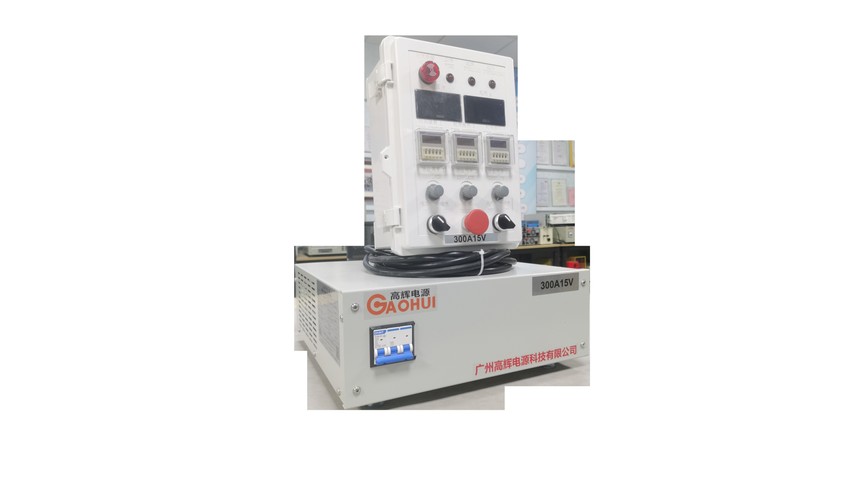
In heavy industries, the removal of scale, rust, and other surface contaminants is a critical process known as descaling. While traditional mechanical or chemical methods often present challenges regarding efficiency, material integrity, and environmental impact, electrochemical descaling has emerged as a superior solution. At the heart of this advanced process lies the electrochemical descaling rectifier, a power supply engineered to deliver precise and high-current direct current (DC) to facilitate the electrolytic reactions. For demanding industrial applications, particularly those requiring robust and continuous operation, a 2000A 150V oil-immersed rectifier stands out as the benchmark for reliability, unparalleled corrosion resistance, and superior heat management.
The operational environment within industrial descaling facilities is inherently harsh. Exposure to moisture, corrosive chemicals, abrasive particles, and extreme temperatures is common. These conditions pose significant threats to electrical equipment, potentially leading to premature failure, costly downtime, and compromised process quality. This is where the engineering marvel of a high-capacity, oil-immersed rectifier, specifically designed for electrochemical descaling, truly demonstrates its value.
Unwavering Reliability in Demanding Environments
Reliability is not merely a desirable feature; it is an absolute necessity for any industrial rectifier handling a substantial load like 2000 amperes. A 2000A 150V oil-immersed unit is engineered from the ground up to ensure continuous, stable power delivery. This level of reliability begins with a robust mechanical design capable of withstanding vibrations and physical stresses. Internally, components are selected for their durability and long operational life, often exceeding standard industrial grades. The design typically incorporates over-current, over-voltage, and short-circuit protection, safeguarding both the rectifier and the descaling system from unexpected surges or faults. The sheer power output—2000A at 150V—allows for rapid and efficient descaling of large surface areas or high volumes of material, directly translating to increased throughput and operational efficiency. The ability of such a rectifier to perform consistently, day in and day out, without degradation in performance or unexpected failures, is paramount for maintaining production schedules and minimizing operational costs.
Superior Corrosion Resistance through Oil Immersion
One of the most significant advantages of an oil-immersed design, especially for applications like electrochemical descaling, is its inherent corrosion resistance. The active electrical components within the rectifier, such as transformers, rectifying diodes, and control circuitry, are completely submerged in dielectric oil. This oil acts as an impenetrable barrier, shielding these sensitive components from the corrosive gases, dust, humidity, and chemical vapors prevalent in descaling environments. Unlike air-cooled systems, where airborne contaminants can settle on and corrode internal parts, the sealed oil tank design isolates the critical components from environmental degradation. Furthermore, the oil itself is non-corrosive and non-conductive, preventing short circuits and extending the lifespan of the internal electrical infrastructure. External enclosures are typically constructed from heavy-gauge, corrosion-resistant steel, often with specialized coatings, providing an additional layer of protection against external environmental aggressors.
Optimized Heat Management for Extended Lifespan
Generating 2000A at 150V produces substantial heat, which, if not managed effectively, can severely degrade component lifespan and system performance. Here, the oil-immersed design truly shines. Dielectric oil possesses excellent thermal conductivity and heat capacity, far superior to air. As current flows, the heat generated by the transformer and rectifying elements is efficiently transferred to the surrounding oil. The oil then circulates, often aided by natural convection or forced circulation through external radiators, where the heat is dissipated to the ambient environment. This uniform cooling prevents localized hot spots that commonly plague air-cooled systems, where certain components might run hotter than others, leading to accelerated wear. By maintaining a stable and lower operating temperature across all critical components, the oil-immersed rectifier significantly extends its operational life, reduces the likelihood of thermal-induced failures, and ensures consistent performance over time. This meticulous heat management directly underpins the rectifier’s overall reliability.
The Strategic Investment
Investing in a 2000A 150V oil-immersed electrochemical descaling rectifier is a strategic decision for industries prioritizing longevity, efficiency, and consistent output. The combination of unwavering reliability, superior corrosion resistance due to hermetic sealing, and highly effective heat management makes these rectifiers exceptionally robust. They minimize maintenance requirements, reduce the risk of unexpected breakdowns, and ensure a stable, high-quality descaling process. For operations where continuous production and maximum uptime are paramount, such a rectifier is not just a piece of equipment, but a fundamental asset that drives operational excellence and delivers a substantial return on investment through years of dependable service.