
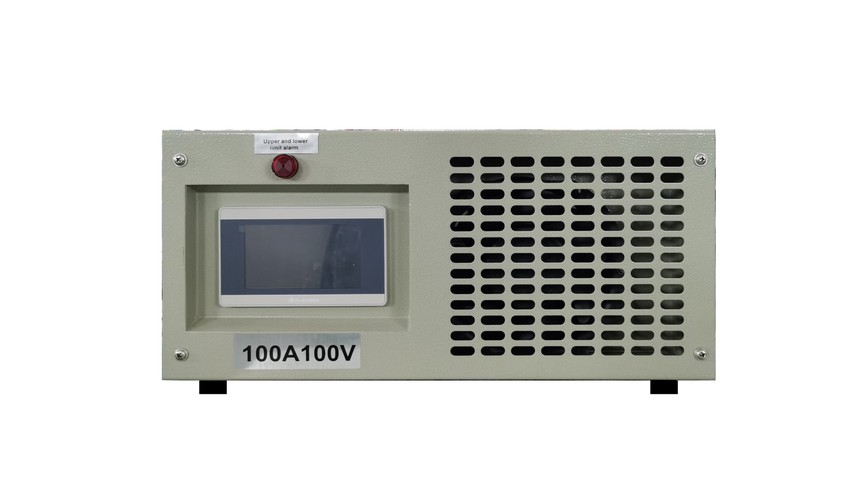
In the relentless pursuit of operational excellence and environmental stewardship, industrial water treatment stands as a critical pillar. The effectiveness of many advanced water treatment processes, from electrocoagulation to electrochlorination, hinges on the reliability and precision of their DC power supply. For industrial players navigating increasingly stringent regulations and seeking sustainable solutions, the choice of a water treatment rectifier is paramount. This comprehensive buyer’s guide delves into the specifics of GAOHUI’s high-performance 3000A 36V Air Cooled Water Treatment Rectifier, illuminating its value proposition through the lens of a discerning buyer, emphasizing return on investment (ROI), and aligning with the industrial trends projected for 2026.
The Indispensable Role of a Water Treatment Rectifier: A Buyer’s Perspective
At its core, a water treatment rectifier converts alternating current (AC) from the grid into stable direct current (DC) – the lifeblood for electrochemical processes. In large-scale industrial applications, this DC power drives reactions that remove pollutants, disinfect water, or recover valuable resources. The GAOHUI 3000A 36V Air Cooled rectifier is engineered to meet these demanding requirements, offering a robust solution for a myriad of industrial scenarios.
Understanding the Specs: Why 3000A 36V Matters
- 3000 Amperes (A): This high current output signifies the rectifier’s capacity to handle substantial industrial loads, crucial for treating large volumes of water efficiently. Processes like electrocoagulation, which rely on generating a high density of coagulant ions, benefit immensely from such high amperage, ensuring rapid and effective contaminant removal.
- 36 Volts (V): The voltage dictates the electrical potential driving the electrochemical reactions. A 36V output is typically optimized for a range of electrode materials and electrolyte conductivities common in industrial water treatment, balancing efficiency with the specific energy requirements of various processes.
- Air Cooled: For industrial environments, an air-cooled system offers significant advantages. Unlike liquid-cooled units that require coolant management, piping, and potential leak points, air-cooled rectifiers like the GAOHUI model are simpler to install, more rugged, and demand less maintenance. They are ideal for facilities where water quality or availability is a concern for cooling systems, offering reliable operation with reduced operational complexities.
Key Buyer Considerations:
When evaluating a water treatment rectifier, a buyer should prioritize:
- Output Stability and Ripple: High-quality DC output with minimal ripple is crucial for consistent and predictable electrochemical reactions, directly impacting treatment efficacy and chemical consumption.
- Efficiency: Higher efficiency means less energy waste, translating directly into lower operating costs.
- Reliability and Durability: Industrial environments are harsh. A robust, air-cooled design like GAOHUI’s ensures longevity and consistent performance under challenging conditions.
- Control and Monitoring: Advanced control features, including programmable output, remote monitoring capabilities, and intelligent fault diagnostics, enable precise process optimization and proactive maintenance.
- Safety Features: Overcurrent, overvoltage, short-circuit, and overheating protections are non-negotiable for safe industrial operation.
Maximizing ROI with GAOHUI’s Water Treatment Rectifier
Investing in a premium water treatment rectifier from GAOHUI is a strategic decision that promises substantial return on investment through several avenues:
- Energy Efficiency: GAOHUI rectifiers are designed for high efficiency, minimizing energy losses during AC-DC conversion. For a 3000A unit running continuously, even a small percentage gain in efficiency translates into significant electricity bill savings over its lifespan. This direct reduction in operational expenditure is a primary driver of ROI.
- Reduced Maintenance & Downtime: The air-cooled design, devoid of pumps, heat exchangers, and associated plumbing of liquid-cooled systems, drastically reduces maintenance requirements and potential failure points. Less maintenance means lower labor costs, fewer spare parts, and, crucially, minimized downtime, ensuring continuous treatment operations and preventing costly production delays.
- Process Optimization and Compliance: The stable and precise DC output of the GAOHUI rectifier ensures optimal performance of electrochemical water treatment processes. This leads to more effective contaminant removal, consistent water quality, reduced chemical additive usage (where applicable), and guaranteed compliance with environmental discharge standards, avoiding potential fines and reputational damage.
- Extended Equipment Lifespan: Built with industrial-grade components and robust construction, GAOHUI rectifiers are designed for durability and a long service life. This longevity defers the need for premature replacements, spreading the initial investment over a longer period and improving the total cost of ownership (TCO).
Navigating 2026 Industrial Trends in Water Treatment
The industrial landscape is evolving rapidly, and water treatment technologies are no exception. For 2026 and beyond, several key trends will shape investment decisions:
- Automation and Smart Integration: The industry is moving towards highly automated and integrated systems. Rectifiers that offer advanced communication protocols (e.g., Modbus, Profibus) and compatibility with SCADA or DCS systems, like GAOHUI’s, will be essential for remote monitoring, predictive maintenance, and optimized process control. This allows for data-driven decision-making and reduces human intervention.
- Sustainability and Energy Conservation: The drive for greener operations will intensify. High-efficiency rectifiers are crucial components in reducing the carbon footprint of industrial processes. Buyers will increasingly favor solutions that contribute positively to their environmental, social, and governance (ESG) metrics.
- Modularity and Scalability: As industrial facilities expand or treatment requirements change, the ability to easily upgrade or scale treatment capacity without a complete overhaul will be a key differentiator. While a single GAOHUI 3000A 36V unit is powerful, the potential for parallel operation or modular additions will be an important future-proofing aspect.
- Enhanced Data Analytics: Leveraging operational data from rectifiers—such as current, voltage, power consumption, and fault logs—for real-time analysis and long-term trend identification will become standard. This data will inform process improvements, energy saving initiatives, and asset management strategies.
- Stricter Regulatory Compliance: Environmental regulations are continuously tightening globally. Reliable and highly effective water treatment technologies, powered by precise and stable rectifiers, will be indispensable for industries to maintain compliance and avoid penalties.
Conclusion
Choosing the right water treatment rectifier is not merely a purchase; it’s a strategic investment in the efficiency, compliance, and sustainability of industrial operations. The GAOHUI 3000A 36V Air Cooled Water Treatment Rectifier stands out as a robust, high-performance solution that aligns perfectly with the demands of today’s industrial environment and the trends projected for 2026. By prioritizing reliability, energy efficiency, and intelligent control, industrial buyers can secure significant ROI, ensure consistent water quality, and future-proof their operations in an increasingly complex and regulated world.