
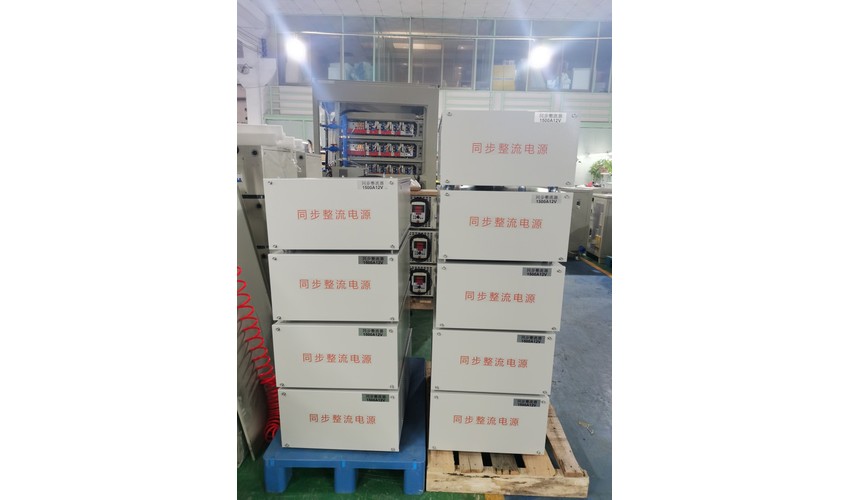
In the modern metallurgical landscape, the efficiency of surface descaling processes is directly tethered to the precision and reliability of the power delivery systems employed. As steel mills and industrial manufacturing facilities push for higher throughput and reduced energy overhead, the demand for robust power supply for scale removal systems has evolved. Specifically, the integration of 500A 15V oil-immersed power architectures has emerged as the gold standard for high-current applications. This article examines the technical synergy between high-frequency switching technology and oil-immersed thermal management, establishing why these components are critical for meeting contemporary energy efficiency benchmarks.
The Necessity of High-Current Precision in Scale Removal
Scale removal—the process of eliminating oxides, mill scale, and impurities from the surface of metal workpieces—relies on high-amperage electrolytic or electrochemical reactions. To achieve a uniform surface finish, the power supply must provide a stable, ripple-free current. A 500A 15V configuration is specifically calibrated to handle the high-load requirements of these processes while maintaining a voltage threshold that minimizes unwanted parasitic reactions or overheating at the electrode interfaces.
High-Frequency Switching: The Efficiency Catalyst
Historically, industrial power supplies relied on heavy, inefficient transformer-rectifier sets operating at line frequency (50/60 Hz). These legacy units were bulky and suffered from significant energy loss in the form of heat. The modern shift toward high-frequency switching (typically utilizing IGBT or MOSFET-based topologies operating in the 20kHz–100kHz range) has revolutionized the industry.
By increasing the switching frequency, the physical size of magnetic components—such as inductors and transformers—is drastically reduced. In the context of a 500A 15V unit, this miniaturization allows for higher power density. More importantly, high-frequency switching enables rapid response times to transient load conditions. In scale removal, the resistance of the electrolytic bath can fluctuate based on temperature, concentration, and electrode distance. A high-frequency power supply can adjust its duty cycle in microseconds, ensuring that the 500A output remains constant despite these variances.
Thermal Management via Oil-Immersed Design
While high-frequency switching improves efficiency, high-current environments naturally generate significant heat. In a 500A system, even minor resistance in the busbars or semiconductors can lead to localized thermal runaway. This is where the oil-immersed design becomes an engineering imperative.
Oil immersion is superior to air cooling for high-power industrial electronics for three primary reasons:
- Superior Dielectric Strength: Transformer oil provides excellent insulation, allowing components to be placed in closer proximity without the risk of electrical arcing. This leads to a more compact footprint.
- Thermal Conductivity: Oil acts as a high-efficiency heat transfer medium, absorbing heat directly from the power components and distributing it throughout the reservoir. This prevents “hot spots” that frequently cause failure in air-cooled units exposed to industrial dust or humidity.
- Environmental Sealing: The hermetically sealed oil tank protects sensitive circuitry from the harsh, corrosive atmosphere characteristic of pickling lines and descaling bays. By shielding the electronics from oxidative gasses and metal dust, the operational lifespan of the power supply is extended exponentially.
Meeting Energy Efficiency Standards
Global mandates, such as the IEC 60146 series (Semiconductor Converters) and local energy conservation acts, require industrial equipment to minimize idle losses and maximize conversion efficiency. A 500A 15V system utilizing advanced switching technologies can achieve conversion efficiencies exceeding 92%.
To meet these standards, modern designs incorporate several key strategies:
- Soft-Switching Topologies: By utilizing Zero Voltage Switching (ZVS) or Zero Current Switching (ZCS), engineers eliminate the switching losses that occur when transistors transition between states. This reduces the heat generation within the oil, allowing for smaller heat exchangers and lower energy consumption for cooling pumps.
- Active Power Factor Correction (PFC): Ensuring that the input current waveform is in phase with the input voltage reduces harmonic distortion back to the facility grid. This not only lowers electricity costs but also minimizes stress on the facility’s power distribution transformers.
- Modular Control Architecture: By utilizing digital signal processing (DSP) to monitor the 500A load, the system can enter a low-power standby mode when the scale removal line is idle, further contributing to the facility’s sustainability goals.
Engineering Considerations for System Integration
When specifying a power supply for scale removal, facility engineers must look beyond the basic 500A 15V rating. Key considerations include:
- Output Ripple: For scale removal, ripple voltage must be kept to a minimum (typically <1% RMS) to ensure consistent oxide removal without pitting the base metal. High-frequency units excel here, as the high switching speed simplifies output filtering.
- Corrosion Resistance: Given the oil-immersed nature, the enclosure material must be resistant to acidic vapours. High-grade stainless steel or powder-coated cabinets with oil-to-water heat exchangers are recommended for integration in harsh environments.
- Diagnostics and Communication: Modern units should provide real-time telemetry via fieldbus protocols (such as Modbus TCP/IP or Profinet). Monitoring internal oil temperature, voltage stability, and output current trends allows for predictive maintenance, preventing unexpected downtime on the production line.
The Future of Descaling Power
As the industry trends toward Industry 4.0, the power supply for scale removal is no longer just a piece of utility equipment; it is a critical data node. The 500A 15V oil-immersed system of tomorrow will integrate AI-driven diagnostics that adjust the electrolytic parameters in real-time based on the thickness of the scale detected by downstream sensors. By marrying the raw power of oil-immersed high-current electronics with the intelligence of high-frequency digital control, manufacturers can achieve unprecedented levels of surface quality and energy optimization.
Conclusion
Investing in high-quality power supplies for scale removal is a strategic decision that impacts the overall cost-of-ownership (TCO) for metallurgical facilities. The combination of 500A 15V capacity, the reliability of oil-immersed cooling, and the efficiency of high-frequency switching technology offers a robust solution for demanding production environments. By prioritizing these engineering specs, facility operators ensure that their descaling processes remain consistent, efficient, and compliant with modern energy mandates, ultimately driving higher output and superior product quality.