
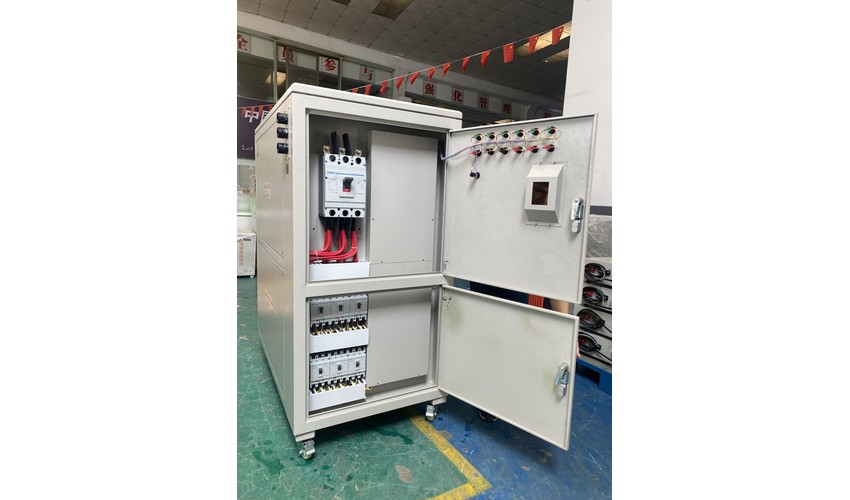
The Evolution of High-Density Power Infrastructure
In the landscape of modern heavy industry, the demand for precision power delivery in scale collection and electrolytic processes has reached a critical inflection point. As we approach 2026, the reliance on stable, high-amperage power conversion—specifically the 12000A 48V configuration—has become the backbone of efficient material processing. Whether managing mineral recovery, metal refining, or advanced scale inhibition systems, the choice of a water-cooled power supply is no longer merely a procurement decision; it is a strategic investment in long-term operational uptime and energy efficiency.
Understanding the 12000A 48V Architecture
At the core of high-output scale collection lies the rectifier unit. A 12000A 48V power supply provides a massive 576kW of DC output, capable of driving high-density electrolytic reactions. The integration of water cooling is the deciding factor in modern industrial longevity.
Unlike traditional air-cooled systems, which are prone to thermal throttling and failure in dusty or humid environments, water-cooled units leverage closed-loop thermal management. This allows for:
1. High Power Density: A smaller footprint for the same output capacity, essential for modern facility floor-space optimization.
2. Component Longevity: By maintaining stable internal temperatures, the lifespan of IGBTs (Insulated Gate Bipolar Transistors) and electrolytic capacitors is significantly extended.
3. Environmental Isolation: Sensitive electronic components are sealed from the ambient industrial environment, drastically reducing the rate of maintenance-related downtime.
The 2026 Buyer’s Guide: Key Selection Criteria
When specifying a 12000A 48V system for 2026 deployment, procurement teams must look beyond the nameplate rating. The following criteria represent the current industry gold standard:
1. Efficiency Metrics (The 95% Threshold):
In 2026, efficiency is synonymous with sustainability and cost control. Buyers should insist on power conversion efficiencies of 95% or higher. A 1% increase in efficiency across a 576kW load results in massive annual savings in electricity consumption and cooling costs.
2. Modular vs. Monolithic Design:
While monolithic units have their place, modular design is the trend for 2026. A modular 12000A system allows for ‘N+1’ redundancy. If a single power module fails, the system continues to run at a reduced but functional load, preventing a total production shutdown.
3. Intelligent Control and IoT Integration:
Modern units must be ‘Smart Grid’ ready. Look for systems offering real-time diagnostic telemetry via Modbus TCP/IP or PROFINET. The ability to monitor ripple factors, thermal load, and power factor correction from a centralized SCADA system is vital for predictive maintenance.
4. Water Quality Management:
Given that the cooling system is the ‘heart’ of the unit, ensure the manufacturer provides comprehensive specs regarding water conductivity and filtration requirements. Advanced systems now include integrated leak detection sensors that communicate with the plant PLC for emergency shutdown sequences.
Calculating ROI: Beyond the Purchase Price
Investing in a premium water-cooled 12000A 48V power supply requires a Total Cost of Ownership (TCO) analysis rather than a simple ‘sticker price’ comparison. The Return on Investment (ROI) is realized through three main vectors:
- Reduction in Downtime Costs: If an industrial process generates $50,000 per hour in throughput, a single day of unexpected downtime caused by a failed air-cooled unit results in a massive capital loss. The superior thermal regulation of water-cooled units minimizes these failure risks.
- Energy Consumption Savings: Comparing an 88% efficient unit to a 96% efficient unit over a 576kW load, operating 24/7, results in tens of thousands of dollars in energy savings annually. At 2026 energy prices, this typically offsets the premium of high-efficiency hardware within 18–24 months.
- Reduced Maintenance Overhead: Without the need for large-scale dust-filtration systems or fan replacement schedules, labor costs are diverted toward process optimization rather than hardware repair.
2026 Industrial Trends: The Path Forward
As we navigate the industrial climate of 2026, three major trends are defining the power supply market:
Trend 1: The Green Mandate
Environmental regulations are tightening. Industrial power supplies are now being scrutinized for their ‘power factor.’ Leading-edge units now include built-in Active Power Factor Correction (APFC), reducing the inductive load placed back onto the grid and avoiding the penalties increasingly levied by utility companies.
Trend 2: Digitization of Maintenance
We are shifting from scheduled maintenance to ‘Condition-Based Maintenance’ (CBM). The 2026 standard dictates that the power supply shouldn’t just be an electrical converter; it should be a diagnostic hub that alerts facility managers to thermal drift or component wear weeks before a potential failure occurs.
Trend 3: Compact Footprints for Smart Factories
As the concept of ‘Smart Factories’ matures, real estate becomes a premium. The trend is toward ultra-compact 12000A designs that can be integrated directly into process skids rather than isolated in massive electrical rooms. This reduces the length of high-current busbar runs, which in turn reduces energy loss through resistance.
Strategic Implementation Recommendations
To ensure your 12000A 48V deployment is successful, we recommend the following procurement roadmap:
- Load Profile Analysis: Before purchasing, ensure your load profile is well-understood. Is the demand constant or highly variable? A system that can handle dynamic loading without voltage spikes is critical for scale collection processes that require high stability.
- Cooling Infrastructure Audit: Ensure the plant’s secondary cooling loop meets the flow rate and pressure requirements of the rectifier. Do not skimp on the heat exchanger quality; this is a common point of failure for high-current water-cooled systems.
- Vendor Partnership: Treat the power supply manufacturer as a technical partner. In 2026, the complexity of these units requires strong post-sales technical support, software updates, and immediate access to mission-critical spare parts.
Conclusion
The 12000A 48V water-cooled power supply is the silent engine driving profitability in modern industrial scale collection. By prioritizing high-efficiency components, modular redundancy, and integrated digital diagnostics, organizations can secure their competitive edge heading into 2026. The shift from standard air-cooled legacy systems to intelligent, water-cooled infrastructure is a definitive marker of an industry leader committed to efficiency, sustainability, and operational excellence.
Investing in the right technology now ensures that your production remains scalable and resilient, turning the challenge of high-current power management into a significant competitive advantage.