
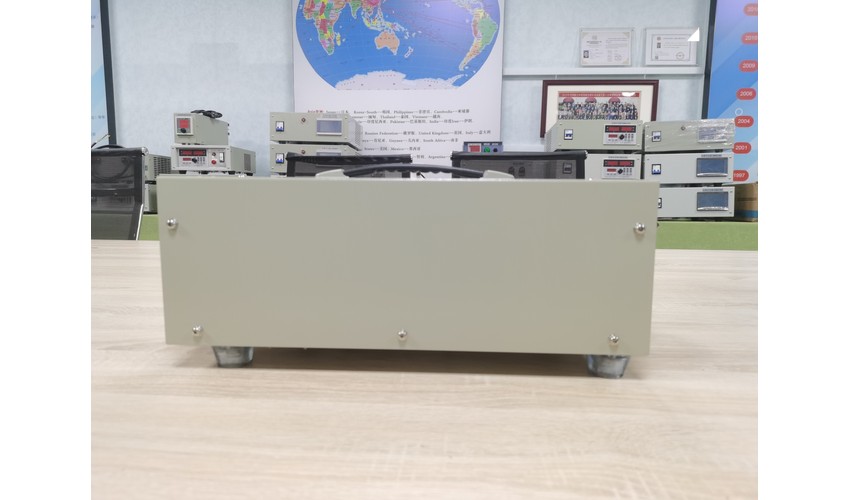
In an era defined by intensifying water scarcity and stringent environmental regulations, advanced water treatment technologies are no longer optional but imperative. At the forefront of these innovations lies the Pulsed DC Power Supply, a technology rapidly gaining traction for its superior efficiency and efficacy in various electrochemical water purification processes. For industrial stakeholders planning investments towards 2026 and beyond, understanding the nuances of these systems – particularly high-capacity, robust units like a 12000A, 15V, Oil Immersed model – is crucial for optimizing operational performance and ensuring significant return on investment (ROI).\n\nThe Transformative Power of Pulsed DC in Water Treatment\n\nTraditional continuous DC power supplies, while effective, often suffer from electrode passivation, uneven current distribution, and higher energy consumption. Pulsed DC technology addresses these limitations by delivering current in short, precise bursts, interspersed with zero-current or reverse-polarity intervals. This intermittent power delivery has several profound advantages in water treatment applications such as electrocoagulation, electroflocculation, advanced oxidation processes (AOPs), and electrolysis. It minimizes electrode fouling, enhances mass transfer rates, improves the efficiency of contaminant removal, and can significantly extend electrode lifespan, thereby reducing operational overheads and improving process stability.\n\nBuyer’s Guide: Navigating Key Specifications and Features\n\nSelecting the right Pulsed DC Power Supply is a critical decision demanding a thorough understanding of specifications tailored to industrial demands. For large-scale water treatment, consider the following:\n\n* Current and Voltage Requirements (12000A, 15V): A 12000-ampere rating signifies a robust system designed for high-volume, continuous industrial applications. Such high current is essential for treating large quantities of water or highly contaminated effluents, enabling faster reaction times and higher throughput in electrochemical reactors. The 15-volt rating indicates an optimal operating voltage for many water treatment electrochemistry processes, balancing efficiency, safety, and electrode material considerations. It’s crucial to match these specifications precisely with the intended process scale and electrode design to avoid underpowering or over-specifying.\n\n* Cooling and Durability (Oil Immersed): The ‘Oil Immersed’ designation is paramount for industrial environments. Oil immersion provides superior thermal management, efficiently dissipating the significant heat generated by high-power rectifiers operating at 12000A. Beyond cooling, the oil acts as an excellent electrical insulator and protects internal components from harsh environmental factors such as dust, humidity, corrosive gases, and aggressive chemicals commonly found in water treatment plants. This design choice dramatically enhances the power supply’s reliability, extends its operational life, and reduces maintenance frequency, leading to substantial long-term savings.\n\n* Control Systems and Modularity: Look for advanced digital control systems offering precise parameter adjustment (pulse frequency, duty cycle, waveform), remote monitoring capabilities, and integration with SCADA or plant DCS. Modular designs facilitate easier maintenance, future upgrades, and scalability. A reputable brand like ‘HydroVolt Solutions’ might offer customizable programming interfaces and robust diagnostics.\n\n* Manufacturer Reputation and Support: Invest in suppliers with a proven track record, extensive technical support, spare parts availability, and robust warranty policies. Their expertise in both power electronics and water treatment applications is invaluable.\n\nMaximizing Returns: The ROI of Pulsed DC Power Supplies\n\nThe initial capital investment in a high-capacity Pulsed DC Power Supply might seem substantial, but the ROI is compelling, driven by operational efficiencies and extended asset life:\n\n* Energy Savings: Pulsed operation often requires less energy than continuous DC to achieve the same or better treatment outcomes, primarily due to reduced electrode passivation and optimized reaction kinetics. This translates directly into lower electricity bills.\n* Reduced Chemical Consumption: Improved contaminant removal efficiency can lessen the reliance on costly chemical coagulants, flocculants, or pH adjusters, significantly reducing ongoing operational expenses.\n* Extended Electrode Lifespan and Reduced Maintenance: By mitigating passivation and promoting self-cleaning effects, pulsed DC dramatically extends the working life of electrodes. This reduces the frequency of electrode replacement, labor costs for maintenance, and minimizes downtime, boosting overall plant productivity.\n* Superior Treatment Quality: Consistent and efficient contaminant removal ensures compliance with increasingly strict discharge regulations and can lead to higher-quality treated water suitable for reuse, unlocking additional value streams.\n* Enhanced Reliability and Durability: Oil-immersed units are built to withstand challenging industrial conditions, offering greater resilience and a longer service life compared to air-cooled counterparts, further solidifying the long-term ROI.\n\nForecasting 2026: Industrial Trends in Water Treatment\n\nThe industrial landscape for water treatment is evolving rapidly, and investments in Pulsed DC Power Supplies align perfectly with emerging trends towards 2026:\n\n* Digitalization and IoT Integration: Future systems will increasingly feature integrated sensors, real-time data analytics, and IoT connectivity. This enables predictive maintenance, remote diagnostics, and AI-driven optimization of power parameters for peak performance and efficiency.\n* Sustainability and Circular Economy Focus: The drive for reduced energy consumption, less chemical usage, and the potential for resource recovery (e.g., metals from wastewater) will cement pulsed DC as a cornerstone technology for sustainable water management.\n* Modularity and Scalability: As industrial operations fluctuate, there will be a growing demand for power supply systems that can be easily scaled up or down, or reconfigured, offering greater flexibility and future-proofing investments.\n* Emphasis on Durability and Harsh Environment Performance: With water treatment often occurring in aggressive environments, the demand for exceptionally robust, low-maintenance equipment like oil-immersed power supplies will intensify.\n* Zero Liquid Discharge (ZLD) and Water Reuse: Pulsed DC technology will play a pivotal role in advanced treatment stages necessary for achieving ZLD goals and making water reuse economically viable.\n\nConclusion: A Strategic Investment for the Future\n\nInvesting in a high-performance Pulsed DC Power Supply – specifically one engineered to meet demanding industrial specifications like 12000A, 15V, and featuring an oil-immersed design – is a strategic move for any industrial operation committed to efficient, sustainable, and compliant water treatment. By carefully considering the buyer’s guide, understanding the compelling ROI, and aligning with critical industrial trends towards 2026, businesses can ensure their water treatment infrastructure is not just operational, but a powerful lever for long-term economic and environmental success. This technology is not merely a component; it’s an intelligent investment in future-proof operational excellence.”
}
“excerpt”: “This buyer’s guide explores the strategic investment in high-performance Pulsed DC Power Supplies for industrial water treatment. Focusing on robust specifications like 12000A, 15V, and oil-immersed designs, the article delves into the significant ROI through enhanced efficiency, reduced operational costs, and extended equipment lifespan. It also aligns these considerations with critical industrial trends for 2026, including digitalization, sustainability, and modularity, positioning Pulsed DC as a cornerstone for future-proof water management.