
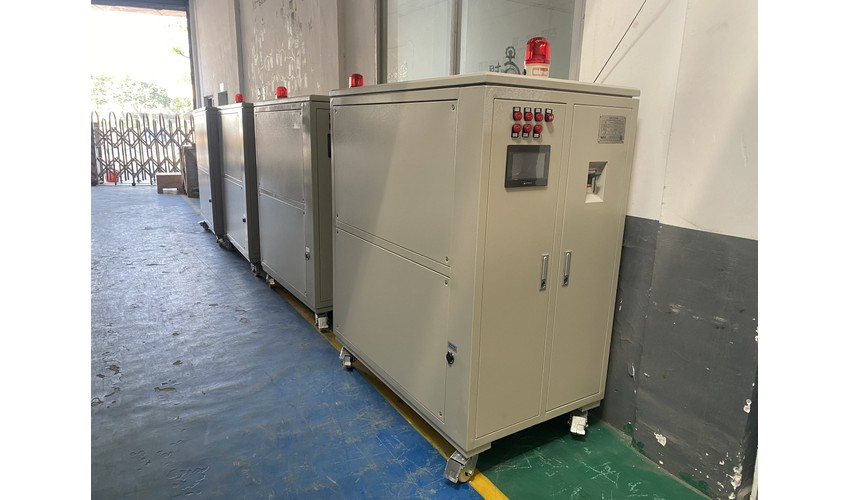
Electrolysis stands as a cornerstone in various industrial processes, from green hydrogen production to chlor-alkali manufacturing and metal refining. The efficiency and reliability of these operations are intrinsically linked to the performance of their DC power supply units. For applications demanding robust, stable, and high-current output, a 2000A 12V oil-immersed DC power supply is often the chosen workhorse. As industries pivot towards greater sustainability and automation, selecting the right power solution is no longer just a technical decision but a strategic investment. This comprehensive buyer’s guide delves into the critical factors for choosing such a system, evaluating its return on investment (ROI), and aligning procurement strategies with the projected industrial trends of 2026 and beyond.
Buyer’s Guide: Precision, Durability, and Performance
When considering a 2000A 12V oil-immersed DC power supply for electrolysis, precision and durability are paramount. The “2000A 12V” specification signifies a high-current, medium-voltage output, ideal for scaling up many electrolytic cells while maintaining specific process parameters. This configuration is common in large-scale hydrogen generation from water, where stable current is critical for optimal Faraday efficiency and gas purity.
The “oil-immersed” design is a key differentiator, offering significant advantages, especially in harsh industrial environments. Oil acts as an excellent dielectric insulator and a highly efficient cooling medium, effectively dissipating heat generated during continuous high-power operation. This immersion protects internal components from dust, moisture, corrosive fumes, and temperature fluctuations, significantly extending the power supply’s lifespan and reducing maintenance frequency. For buyers, this translates directly to enhanced operational reliability and lower total cost of ownership in challenging settings.
Beyond these core specifications, savvy buyers must evaluate several critical features:
* Ripple Factor: Lower ripple ensures smoother DC output, critical for consistent electrochemical reactions and maximizing product yield and purity.
* Efficiency: High energy conversion efficiency (e.g., >95%) directly reduces electricity consumption, a major operational expense in electrolysis.
* Control & Communication: Look for units with advanced control systems (e.g., PLC compatibility, remote monitoring via SCADA/Modbus/Ethernet) for precise current/voltage regulation and seamless integration into automated plants.
* Protection Features: Overcurrent, overvoltage, short-circuit, and over-temperature protections are essential for operational safety and equipment longevity.
* Modularity & Scalability: Consider if the unit allows for future expansion or easy maintenance through modular design.
* Serviceability: Ease of access for routine checks and repairs minimizes downtime.
* Transformer Design: Robust, high-quality copper windings and core materials contribute to long-term stability and efficiency.
Maximizing Return on Investment (ROI)
Investing in a premium 2000A 12V oil-immersed DC power supply offers a compelling ROI through several avenues:
- Energy Efficiency: With energy costs consistently rising, a high-efficiency unit minimizes energy waste, substantially reducing electricity costs over its operational lifetime.
- Enhanced Reliability: The robust nature of oil-immersed designs means fewer breakdowns and less frequent maintenance. Each hour of avoided downtime translates into sustained production and revenue, providing a significant financial advantage.
- Optimized Process Performance: A stable, low-ripple DC output ensures consistent and predictable electrochemical reactions. This leads to higher product purity, improved yield, and reduced material waste, contributing to better overall process economics.
- Extended Lifespan & Future-Proofing: Durable construction and the protective environment of an oil-immersed unit extend its operational life considerably. Choosing a unit with advanced communication and control features ensures compatibility with future upgrades, safeguarding the initial investment.
- Safety & Compliance: Investing in a certified, high-quality power supply reduces risks associated with electrical faults, ensuring worker safety and compliance with stringent industrial regulations, thereby avoiding potential fines and liabilities.
Navigating 2026 Industrial Trends
The landscape of industrial electrolysis is evolving rapidly, driven by global sustainability goals and technological advancements. Buyers must consider these trends to make future-proof investments:
- The Green Hydrogen Revolution: The demand for green hydrogen, produced via water electrolysis using renewable energy, is set to skyrocket. This trend will necessitate even larger, more efficient, and highly scalable DC power supplies, pushing the 2000A 12V specification to be part of modular, multi-unit installations that integrate with fluctuating renewable energy sources.
- Industry 4.0 & Smart Electrification: Expect greater integration of power supplies into digital ecosystems. Remote monitoring, predictive maintenance, AI-driven process optimization, and real-time data analytics will become standard. Power supplies will need sophisticated communication protocols and smart sensors.
- Modularity & Scalability: As projects vary in scale and evolve, modular power supply solutions will gain prominence. The ability to easily add or subtract units, or scale current output, without overhauling the entire system will be crucial for flexibility and cost-effectiveness.
- Enhanced Efficiency & Power Density: Continuous innovation will focus on reducing the physical footprint of power supplies while increasing their efficiency. Expect advancements in semiconductor technologies and magnetic materials to push these boundaries further.
- Sustainability & Circular Economy: Beyond operational efficiency, manufacturers will increasingly focus on the lifecycle impact of their products. This includes using recyclable materials, designing for longevity, and offering end-of-life recycling programs for power supplies.
- Increased Safety & Regulatory Scrutiny: As electrolysis processes become more widespread, especially in proximity to hydrogen, safety standards and regulatory compliance will become even more stringent. Power supplies will need to meet evolving international safety certifications and incorporate advanced fault detection and protection mechanisms.
Conclusion
The selection of a 2000A 12V oil-immersed DC power supply for electrolysis is a pivotal decision that impacts operational efficiency, cost-effectiveness, and future readiness. By adopting a comprehensive buyer’s guide that evaluates specifications, prioritizes ROI through efficiency and reliability, and anticipates the transformative industrial trends of 2026, businesses can make strategic investments. Choosing the right power solution today means not only optimizing current operations but also positioning your enterprise at the forefront of the evolving industrial landscape, prepared for the demands of tomorrow’s sustainable economy.