
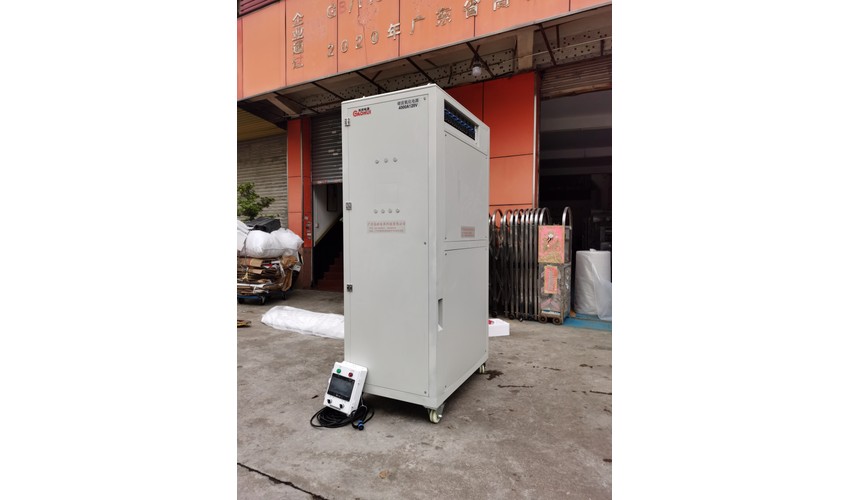
The Evolution of Electrochemical Descaling in 2026
As industrial manufacturing enters a new era of precision and sustainability, the efficiency of surface treatment processes has become a critical bottleneck—and a prime opportunity for competitive advantage. The electrochemical descaling rectifier, particularly the 12000A 15V class, remains the backbone of heavy-duty metal cleaning, oxide removal, and electrolytic pickling. In 2026, the industry is shifting away from generalized power electronics toward highly specialized, durable, and energy-efficient systems designed for 24/7 operational resilience.
Why 12000A 15V Oil-Immersed Technology Matters
For large-scale industrial operations, the choice of power source directly dictates throughput. The 12000A (12kA) 15V configuration is widely considered the ‘sweet spot’ for high-volume strip steel processing, heavy forging descaling, and high-capacity plating lines.
Choosing an ‘Oil-Immersed’ architecture is no longer just a preference; it is a strategic decision. Unlike air-cooled systems, which are vulnerable to corrosive fumes and particulate matter common in descaling environments, oil-immersed rectifiers provide a hermetically sealed, self-contained environment. This offers:
1. Superior Heat Dissipation: Ensuring consistent current density even under peak thermal loads.
2. Environmental Isolation: Protecting critical silicon-controlled rectifiers (SCRs) or IGBT modules from acidic mists.
3. Extended Lifecycle: Drastically reducing the frequency of maintenance shutdowns, which are often the primary driver of hidden costs in industrial settings.
The ROI Equation: Beyond the Sticker Price
When evaluating a 12000A 15V system, procurement managers often struggle to reconcile the higher initial investment of oil-immersed units versus dry-type rectifiers. However, the 2026 ROI model demands a Total Cost of Ownership (TCO) approach.
Key pillars of ROI include:
– Energy Efficiency: Modern 2026-grade rectifiers utilize advanced pulse-width modulation (PWM) and digital control loops, reducing electricity consumption by 8-12% compared to 2020-era models.
– Minimized Downtime: In a factory setting where line-stoppage costs can exceed $5,000 per hour, the reliability of an oil-cooled system that avoids dust-related shorts pays for itself within the first 18 months of operation.
– Product Quality & Scrap Rate: Precise control over the output voltage ensures consistent oxide removal. Even a 1% reduction in scrap rate, when applied to a 12,000-amp high-volume process, results in substantial annual savings that frequently overshadow the difference in equipment procurement costs.
2026 Procurement Checklist: What to Look For
As you navigate the global market for your next descaling rectifier, prioritize these technical specifications and features:
- Digital Control Interfacing: Ensure the system supports Industry 4.0 protocols (OPC-UA or Modbus TCP/IP). In 2026, remote diagnostics and real-time monitoring of voltage/current ripple are non-negotiable for predictive maintenance.
- Ripple Factor Control: Low-ripple output is essential for uniform surface finishing. Insist on specifications showing less than 1% ripple at full load. This prevents uneven etching and ensures the longevity of the anode/cathode assembly.
- Thermal Management Efficiency: Verify the heat exchanger ratings. The oil-to-water or oil-to-air cooling efficiency should be optimized for your specific climate and plant ambient temperature.
- Modular Design: While the unit is oil-immersed, the internal power modules should be designed for accessible replacement. Look for ‘hot-swappable’ or modular secondary power stages to minimize MTTR (Mean Time to Repair).
2026 Industrial Trends: The Shift toward Digitalization and Sustainability
This year’s market is defined by two major trends. First, the ‘Green Factory’ initiative is forcing manufacturers to demand rectifiers with higher power factors (reaching 0.95+) and reduced harmonic distortion. Second, the integration of AI-driven optimization. Advanced 12000A rectifiers now come equipped with software that adjusts current output based on the thickness of the oxide scale being treated, utilizing sensors to detect surface cleanliness in real-time. This dynamic adjustment prevents over-processing, further saving energy and extending the life of the chemicals used in the process.
Navigating Supply Chain and Compliance
When purchasing a 12kA 15V unit, lead times are a critical risk factor. As demand for heavy manufacturing grows, many top-tier manufacturers are facing 20-30 week lead times. It is recommended to secure procurement orders at least two quarters in advance, ensuring that factory-acceptance testing (FAT) is included in the contract.
Furthermore, ensure compliance with the latest safety standards (IEC 60146 or relevant regional equivalents). Safety interlocks—such as automatic shut-off in the event of coolant loss or pressure loss in the oil tank—are essential for safeguarding your personnel and plant infrastructure.
Final Verdict: The Strategic Investment
For industrial operations requiring 12000A of electrochemical power, the oil-immersed rectifier is the gold standard for durability and long-term performance. By focusing on low-ripple output, digital Industry 4.0 integration, and a TCO-based ROI calculation, buyers can insulate themselves against the hidden costs of downtime and operational inefficiency.
In 2026, the rectifier is no longer just a power supply—it is an intelligent diagnostic tool, a sustainability engine, and a pillar of your production stability. Invest in hardware that reflects the rigor of your operation, and ensure that your chosen provider offers the remote support and diagnostic capabilities required to thrive in the automated manufacturing landscape.