
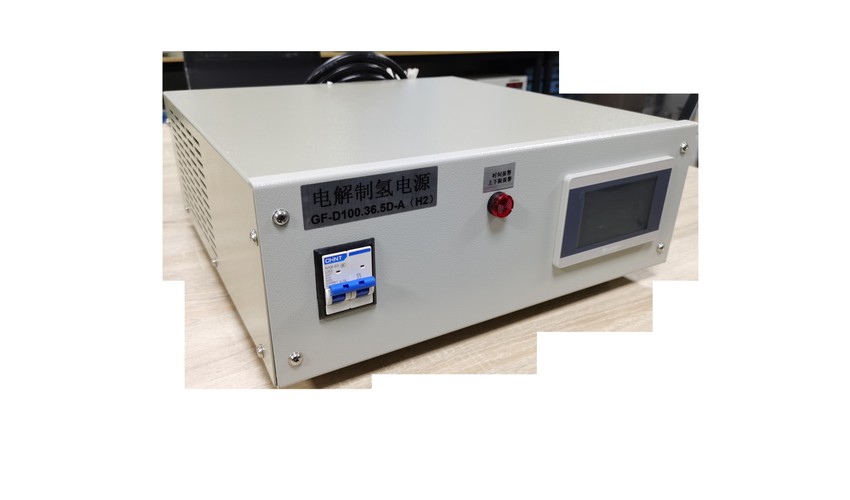
In an era defined by increasing environmental scrutiny and the imperative for sustainable industrial practices, water treatment remains a cornerstone of responsible operations. Efficient and reliable water treatment systems are not just regulatory necessities; they are critical enablers for operational continuity, resource conservation, and a company’s environmental stewardship.
At the heart of many advanced water treatment processes, such as electrocoagulation, electrochlorination, electrodialysis, and electrochemical oxidation, lies the water treatment rectifier. This crucial component converts alternating current (AC) from the grid into the precise direct current (DC) required to drive electrochemical reactions. As industries look towards 2026 and beyond, the selection of the right rectifier — specifically robust, high-capacity units like the 2000A 150V oil-immersed variant — becomes a strategic decision impacting efficiency, uptime, and ultimately, return on investment (ROI). This guide explores the essential considerations for buyers navigating the evolving landscape of industrial water treatment.
Understanding the Core Technology: The 2000A 150V Oil-Immersed Rectifier
The specifications 2000 Amperes (A) and 150 Volts (V) denote a powerful rectifier designed for large-scale industrial applications. The high current output (2000A) enables rapid and effective treatment of significant volumes of water, crucial for industries with high throughput demands. The 150V output provides ample voltage headroom to overcome resistance in complex electrochemical cells, ensuring consistent performance and efficient energy transfer. Such units are typically employed in heavy industries, municipal wastewater treatment plants, mining operations, and large-scale manufacturing facilities where continuous, high-volume processing is essential.
Crucially, the ‘oil-immersed’ design aspect signifies a superior level of durability and performance. In an oil-immersed rectifier, the transformer, rectifier stacks, and other critical components are submerged in a dielectric cooling oil. This design offers several distinct advantages:
- Superior Cooling: Oil provides excellent heat dissipation, far more effective than air cooling, allowing the rectifier to operate consistently under heavy loads without overheating. This prolongs component life and enhances reliability.
- Enhanced Insulation: The dielectric oil acts as an outstanding electrical insulator, protecting components from voltage surges and reducing the risk of arc faults, especially in high-voltage applications.
- Protection from Harsh Environments: Oil immersion seals internal components from dust, moisture, corrosive gases, and other contaminants prevalent in industrial settings. This ruggedness is paramount for ensuring long-term operational stability and reducing maintenance in challenging conditions.
The 2026 Industrial Landscape: Trends Shaping Rectifier Selection
Industrial trends for 2026 are heavily influenced by sustainability, digitalization, and operational resilience. These macro trends directly impact the design and selection criteria for water treatment rectifiers:
- Sustainability and Energy Efficiency: With rising energy costs and stricter carbon emission targets, there’s an increased demand for rectifiers with high power factor correction (PFC) and conversion efficiency (typically >95%). Low harmonic distortion (THD) is also critical to minimize impact on the grid and avoid penalties.
- Automation and Digitalization: The integration of Industry 4.0 principles means rectifiers must offer advanced control features, including HMI (Human-Machine Interface), SCADA compatibility, remote monitoring, and predictive maintenance capabilities. Communication protocols like Modbus, Profibus, and Ethernet/IP are becoming standard requirements.
- Modularity and Scalability: Future-proofing is key. Buyers are looking for modular designs that allow for easy expansion or reconfiguration of power output as treatment needs evolve, reducing the need for complete system overhauls.
- Regulatory Compliance: Environmental regulations regarding effluent discharge are tightening globally. Precision control over current and voltage provided by advanced rectifiers ensures optimal treatment efficiency, helping facilities meet stringent discharge limits consistently.
- Resilience and Reliability: Unplanned downtime is costly. The emphasis is on robust, ‘fit-and-forget’ equipment capable of continuous operation in demanding environments. Oil-immersed units inherently align with this trend due to their superior protection and cooling capabilities.
A Buyer’s Guide to 2000A 150V Oil-Immersed Water Treatment Rectifiers
When investing in such a critical piece of equipment, consider the following:
- Output Stability and Ripple: For electrochemical processes, a stable DC output with low ripple is crucial for optimal reaction efficiency and electrode lifespan. Modern rectifiers should offer minimal ripple under varying load conditions.
- Power Factor Correction (PFC) and Efficiency: Demand active PFC to achieve power factors close to unity (e.g., >0.95) and high conversion efficiency (>95%). This directly translates to lower electricity bills and reduced reactive power penalties.
- Advanced Control System: Look for digital control with a user-friendly HMI, programmable setpoints, alarm logging, and comprehensive diagnostic features. Remote control and monitoring via industrial communication protocols are indispensable for 2026 operations.
- Cooling System Advantages (Oil Immersion): Reiterate the benefits: superior heat exchange, protection from corrosive agents, dust, and moisture, leading to extended lifespan and reduced maintenance in harsh environments. Ensure the oil used is environmentally friendly and has a long service life.
- Environmental Ratings and Durability: Verify the rectifier’s IP (Ingress Protection) rating, ensuring it meets or exceeds the requirements for your specific operating environment. The construction materials should be resistant to corrosion and chemicals.
- Safety Features: Comprehensive protection against overcurrent, overvoltage, short circuit, over-temperature, and phase loss is non-negotiable.
- Manufacturer Reputation and Support: Choose a reputable manufacturer known for quality, reliability, and robust after-sales support, including spare parts availability, technical assistance, and field service.
- Customization Capabilities: Can the vendor tailor the rectifier to specific process requirements, such as unique control signals, integration with existing PLCs, or specialized enclosures?
Maximizing ROI: The Financial Imperative
Investing in a high-quality 2000A 150V oil-immersed water treatment rectifier offers a compelling ROI through several avenues:
- Significant Energy Savings: High-efficiency units drastically reduce operational electricity consumption, leading to lower monthly utility bills and a faster payback period.
- Reduced Maintenance and Downtime: The rugged, oil-immersed design minimizes wear and tear, reducing the frequency and cost of maintenance. This translates to higher uptime and fewer disruptions to critical treatment processes.
- Optimized Process Performance: Stable and precise DC output ensures the electrochemical treatment process operates at peak efficiency, leading to better water quality, potentially reduced chemical consumption, and improved overall operational yield.
- Compliance and Risk Mitigation: Reliable equipment ensures consistent adherence to environmental regulations, avoiding costly fines, reputational damage, and operational shutdowns due to non-compliance.
- Extended Asset Lifespan: A well-built, oil-immersed rectifier is a long-term asset, providing reliable service for many years, thus maximizing the return on the initial capital investment.
Conclusion
The selection of a water treatment rectifier is a critical decision that extends beyond mere technical specifications. For industries targeting operational excellence, environmental compliance, and long-term sustainability in 2026, a 2000A 150V oil-immersed rectifier represents a strategic investment. By prioritizing efficiency, reliability, advanced controls, and robust design, buyers can ensure their water treatment infrastructure is future-proofed, delivering significant ROI and contributing to a greener, more efficient industrial footprint.