
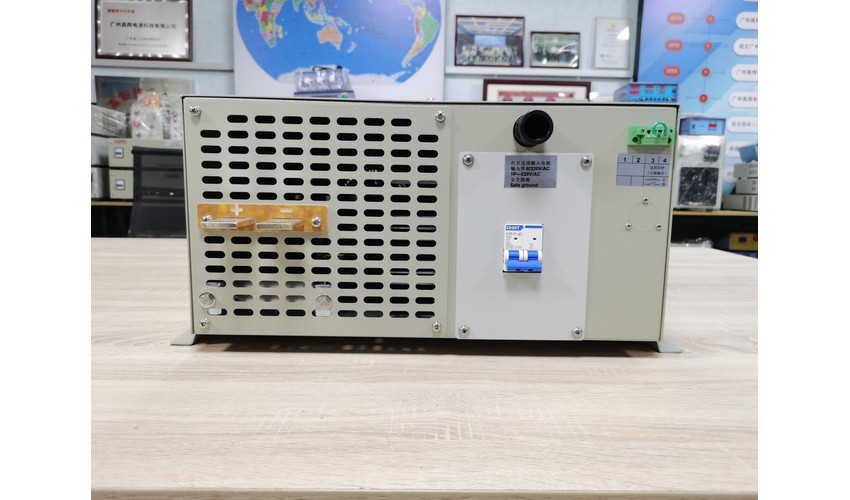
Optimizing Industrial Wastewater Treatment with the Electrolytic Rectifier for Sewage Treatment
Industrial wastewater poses significant environmental challenges, necessitating advanced and efficient treatment methodologies. Electrochemical treatment processes, such as electrocoagulation, electroflocculation, and electrolytic disinfection, have emerged as powerful tools for pollutant removal, sludge reduction, and overall wastewater purification. At the heart of these processes lies a critical component: the power supply. Specifically, the electrolytic rectifier for sewage treatment is a specialized device engineered to provide the precise and stable DC current required for these demanding applications.
These sophisticated rectifiers are indispensable in ensuring the efficacy and economic viability of modern industrial wastewater treatment plants. They convert alternating current (AC) from the grid into direct current (DC) with high precision, enabling optimal performance of electrolytic cells. Without a reliable and efficient rectifier, the electrochemical reactions essential for purifying industrial effluent cannot proceed effectively, leading to suboptimal treatment results and increased operational costs.
Understanding the Electrolytic Rectifier for Sewage Treatment
An electrolytic rectifier system fundamentally serves as the backbone of any electrochemical wastewater treatment setup. Its primary function is robust rectifier conversion, transforming incoming AC power into a stable and controllable DC output. This DC power is then applied to electrodes submerged in the wastewater, initiating various electrochemical reactions that target specific pollutants.
For instance, in electrocoagulation, the rectifier supplies current to sacrificial electrodes (e.g., iron or aluminum), causing them to dissolve and release coagulant ions. These ions destabilize suspended solids, oils, and emulsified contaminants, allowing them to agglomerate and settle. In disinfection processes, the current generates strong oxidants like hypochlorite, effectively neutralizing pathogens. The precision and stability of the current provided by the electrolytic rectifier for sewage treatment directly impact the efficiency and speed of these reactions, leading to superior effluent quality.
Key Features and Advanced Technologies
Modern electrolytic rectifiers for industrial wastewater treatment are designed with a host of advanced features to ensure maximum performance, reliability, and energy efficiency. The integration of cutting-edge technologies, such as IGBT technology, has revolutionized their capabilities.
Advanced Features:
- IGBT Technology: Insulated Gate Bipolar Transistor (IGBT) modules enable high-frequency switching, leading to highly stable DC output, fast response times to load changes, and significantly improved energy efficiency compared to older thyristor-based systems. This translates directly to lower electricity consumption and reduced operating costs.
- Precise Current/Voltage Control: Digital control systems allow for accurate and stepless adjustment of output current and voltage, critical for optimizing specific electrochemical processes and adapting to varying wastewater characteristics.
- Modular Design: Many systems offer a modular structure, facilitating easy expansion, maintenance, and redundancy, ensuring continuous operation even if one module requires servicing.
- Robust Cooling Systems: High-power applications demand efficient cooling. Options include forced air cooling and water cooling, tailored to the rectifier’s capacity and environmental conditions.
- Comprehensive Protection: Built-in safeguards protect against overcurrent, overvoltage, short circuits, overheating, and phase loss, ensuring longevity and safety.
- User-Friendly Interface: HMI touch screens and PLC integration provide intuitive control, monitoring, and data logging capabilities, often with remote access options for operational convenience.
- High Power Factor: Advanced power factor correction minimizes reactive power, further contributing to overall system energy efficiency and reducing utility penalties.
Technical Specifications Table
Below is a table illustrating typical technical specifications for an advanced electrolytic rectifier used in industrial wastewater treatment:
| Parameter | Typical Specification Range |
|---|---|
| Input Voltage | 3-Phase AC 380V/415V/480V ±10% |
| Output Voltage | 0-600V (adjustable) |
| Output Current | 0-10,000A (adjustable) |
| Efficiency | >93% (at full load) |
| Power Factor | >0.95 |
| Control Mode | Constant Current (CC), Constant Voltage (CV) |
| Cooling Method | Forced Air Cooling / Water Cooling |
| Protection Features | Overcurrent, Overvoltage, Short Circuit, Overheat, Phase Loss |
| Control Interface | HMI Touch Screen, PLC, RS485/Ethernet |
| IP Rating | IP54 (standard), higher available |
Benefits of Adopting Modern Rectifier Systems
Investing in a high-quality electrolytic rectifier system yields substantial benefits for industrial wastewater treatment facilities:
- Enhanced Treatment Performance: Precise control over current and voltage leads to optimized electrochemical reactions, resulting in superior removal rates for various pollutants and consistent effluent quality.
- Significant Energy Savings: High energy efficiency, driven by IGBT technology and high power factors, dramatically reduces operational electricity costs over the lifetime of the system.
- Reduced Sludge Volume: Electrochemical processes often generate less sludge compared to conventional chemical coagulation, lowering disposal costs.
- Environmental Compliance: Consistently meeting stringent discharge regulations becomes more achievable, avoiding penalties and fostering a positive environmental reputation.
- Increased Reliability and Uptime: Robust design, comprehensive protection features, and modularity ensure long-term, stable operation with minimal downtime.
- Operational Flexibility: The ability to fine-tune parameters allows adaptation to fluctuating wastewater characteristics and process requirements.
Conclusion
The electrolytic rectifier for sewage treatment is an indispensable component in the modern industrial wastewater treatment landscape. Its ability to provide stable, precise, and energy-efficient DC power is critical for driving advanced electrochemical processes that achieve superior wastewater purification. With advancements in IGBT technology and sophisticated control systems, these rectifiers not only ensure effective pollutant removal but also contribute significantly to reducing operational costs and supporting sustainable environmental practices. For industries committed to responsible wastewater management, investing in a high-performance electrolytic rectifier is a strategic decision that pays dividends in both environmental stewardship and economic efficiency.